
What Is a Digital Marketing Campaign?
A digital marketing campaign is a planned set of online actions that serves one clear business goal. It may use search, email, social media, websites, or paid ads. Each part supports the same message and audience.
The goal might be to gain leads, sell a product, grow awareness, or keep current customers. A campaign differs from random posting because it has a set time frame, budget, audience, and success measure. It also gives your team a way to learn and improve.
For example, a software firm may seek 300 trial sign-ups in 60 days. It could use search ads for active buyers, blog posts for early research, and email for follow-up. The plan links each channel to the same result.
So, what is a digital marketing campaign in simple terms? It is a focused online plan that moves a chosen audience toward a useful action.
The Core Parts of a Strong Campaign
Good campaigns start with a clear audience. Build a simple profile from customer data, sales calls, and site reports. Note the buyer's needs, doubts, habits, and likely path to purchase.
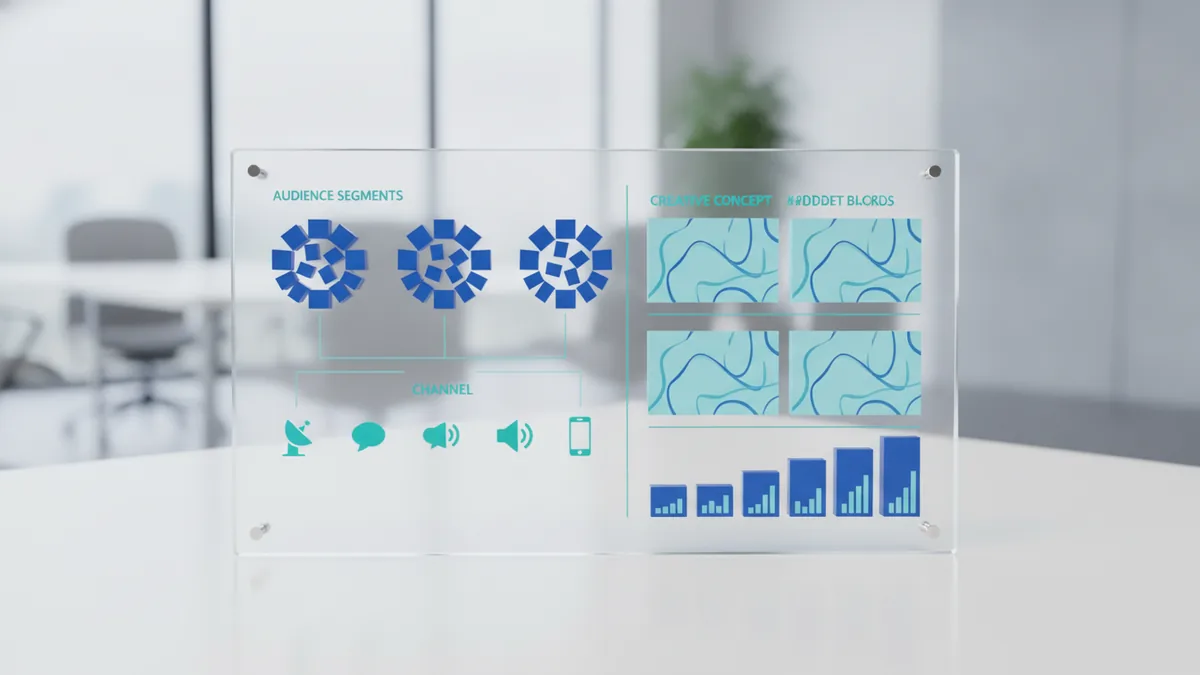
Audience targeting then turns that profile into practical groups. You might target new visitors, past buyers, or users who viewed a pricing page. Each group needs a message that fits its stage and need.
Goal setting gives the campaign a firm target. Use one main goal and a few support goals. A sales campaign may focus on revenue, while support goals track leads and product views.
- Audience: who should see or receive the message?
- Goal: what action should that audience take?
- Offer: why should they act now?
- Channels: where will the message reach them?
- Budget: how much can the campaign spend?
- Measure: which numbers will show progress?
Creative content brings the plan to life. It includes the headline, images, video, landing page, and call to action. Keep the promise clear across every channel.
Budgeting should cover both media spend and production work. Set a test budget first. Then shift more money toward ads and channels that meet your target at a fair cost.
Channel selection should match user intent. Search often reaches people with a known need. Social media can build interest and trust. Email can bring past visitors back.
Common Types of Digital Marketing Campaigns
SEO campaigns improve a site's chance of earning unpaid search visits. They may target new pages, better site structure, or useful content. These campaigns often take time, but they can lower the cost of future traffic.
PPC advertising places paid messages beside search results or across partner sites. You pay when someone clicks, views, or takes another set action. PPC can produce fast data, but weak targeting can waste funds.
Social media marketing uses posts, paid ads, short videos, or creator work. It suits brands that need reach, feedback, or community growth. The best format depends on where the target group spends time.
Email marketing helps brands guide leads and customers through a set journey. A welcome series can explain the offer. A later message can answer doubts or share proof.
Content marketing earns attention with guides, reports, videos, and tools. It works well when buyers need answers before they buy. Influencer marketing uses trusted voices to reach a related audience.
Most strong campaigns use more than one type. A search ad may drive a visitor to a guide. An email may then turn that visitor into a demo lead.
How to Plan a Digital Marketing Campaign
Planning comes before ad setup or content production. Write the brief in plain language. It should tell the team who matters, what must happen, and how success will be judged.
- Set the business goal. Choose a clear result, such as 200 sales or 500 qualified leads. Add a deadline and a target cost.
- Study the audience. Review customer records, search terms, site paths, and past campaign data. Split users by need or stage.
- Shape the offer. Pick the product, value point, proof, and next step. Make the action easy to spot.
- Choose your channels. Match each channel to user intent, reach, cost, and team skill. Start with two or three channels.
- Build the creative. Write a strong promise and support it with proof. Keep the landing page close to the ad or post.
- Set the budget. Reserve part of the spend for tests. Set a daily limit and a clear rule for moving funds.
- Set tracking. Name links, goals, events, and sales values before launch. Test each path on a phone and desktop.
- Launch and learn. Watch early results for errors. Do not change every part at once, or you will lose the cause of each result.
A useful campaign brief can fit on one page. Include the goal, audience, offer, message, channels, budget, dates, and owners. Add risks, such as weak stock levels or a slow sales team.
Use a simple test plan for creative work. Change one main factor at a time, such as the headline or image. Give each test enough traffic to show a useful pattern.
When asking how to do a digital marketing campaign, think in stages. First plan the route. Then launch a small test. Next, improve the parts that block action.

How to Measure Campaign Effectiveness
Measuring effectiveness of digital marketing campaigns starts with clean tracking. Set up one source of truth for visits, leads, sales, and revenue. Add campaign tags to links so reports show where traffic came from.
Track numbers at each stage of the customer path. Reach shows how many users saw the message. Click-through rate shows how many clicked. Conversion rate shows how many completed the chosen action.
Cost per click tells you what each ad visit costs. Cost per lead shows the cost of gaining a lead. Return on ad spend compares ad revenue with ad spend.
| Metric | What it shows | Useful question |
|---|---|---|
| Reach | How many users saw the message | Did the campaign find enough people? |
| Click-through rate | How often users clicked | Did the message earn interest? |
| Conversion rate | How often users took action | Did the page make action easy? |
| Cost per lead | Spend for each new lead | Can the sales team profit from this cost? |
| Return on ad spend | Revenue from paid ad spend | Should paid spend rise or fall? |
Do not judge a campaign by clicks alone. A low-cost click has little value if it brings poor leads. Compare results with profit, lead quality, repeat sales, and the full customer path.
Use short review cycles during the launch. Check spend, delivery, broken links, and lead flow each day. Review deeper trends each week and compare them with the target.
For a wider view, use Google Analytics campaign reports to link traffic with user actions. For paid search, Google Ads conversion tracking can show which ads lead to useful actions.

Examples of Campaigns That Show Best Practice
Consider a local fitness studio with a goal of 80 new memberships. It targets people within ten miles who search for beginner classes. The campaign uses a free first session, short videos, local search ads, and an email reminder.
The studio tracks booking rate, show-up rate, and membership sales. It finds that ads with class times beat ads with broad health claims. It then shifts spend toward those ads and fills more sessions.
Now consider a B2B software firm that wants more demo requests. It publishes a cost calculator for users who search for pricing help. LinkedIn ads reach job roles that fit the buyer group, while email shares a short case study.
The firm measures demo quality, sales acceptance, and closed revenue. It learns that fewer leads from senior roles bring more sales. Its team changes the target and stops judging success by lead volume alone.
A third example is a retailer launching a new skin care range. It uses creator videos for product use, search ads for product terms, and email for past buyers. Each channel points to the same product page and offer.
The retailer tests two bundles and tracks sales, refund rate, and repeat orders. The better bundle raises average order value without raising ad cost. This shows why a campaign needs both a short-term and long-term view.

How to Improve Results After Launch
Start with the largest clear problem. If reach is low, fix targeting or channel reach. If clicks are high but sales are low, review the offer, page speed, proof, and checkout.
Keep a change log for every test. Record the date, change, audience, spend, and result. This stops the team from repeating failed tests or mistaking chance for progress.
Scale in small steps. Raise spend only when lead quality and profit stay steady. A sudden budget jump can change the audience mix and raise costs.
End the campaign with a short review. Compare the target with actual results, then note what worked, what failed, and what to test next. This turns one campaign into a stronger plan for the next one.