
Understanding SEO and Its Business Value
SEO means search engine optimization. It helps your website appear higher on Google and other search engines.
What is the importance of SEO? It connects your pages with people who already seek your products, services, or advice. This makes SEO a key part of digital marketing.
SEO can bring steady organic traffic without a fee for every visit. It also helps your brand appear during early research, comparison, and buying decisions.
A strong SEO plan supports more than rankings. It can build trust, improve site use, and create a steady flow of new leads.
- Keyword relevance helps pages match real searches
- Useful content answers questions and builds trust
- Clear site structure helps people and search engines find pages
- Backlinks can strengthen a site's authority
Why SEO Matters for Traffic, Trust, and Brand Growth
SEO reaches people at the moment they need an answer. This intent often makes organic visitors more engaged than broad ad audiences.
For example, a person searching “accounting software for small firms” has a clear need. A well-made guide can earn that visitor before a sales call.
SEO also grows brand awareness through helpful information. Readers may first find a guide, then remember the business when they need help.
This shows the importance of branding in marketing. Repeated, useful exposure can make a smaller company seem familiar and reliable.

SEO Versus Paid Advertising
Paid ads can place a page near the top of search results quickly. SEO usually takes longer, but its value can last after the work is done.
With paid search, each click can add to your costs. With SEO, you invest in content, site work, and links instead of paying for each visit.
| Factor | SEO | Paid advertising |
|---|---|---|
| Speed | Often needs six to twelve months | Can start soon after launch |
| Cost model | Upfront work and ongoing care | Spend tied to clicks or views |
| Traffic value | Often strong search intent | Depends on targeting and ad quality |
| Long-term effect | Can keep earning visits | Stops when the budget ends |
SEO and ads can work well together. Ads can test messages and keywords while SEO builds lasting reach.
Do not expect instant SEO gains. Track progress each month and judge results across a useful time span.
How SEO Increases Online Visibility
Search engines rank pages that best meet a searcher's need. Your page must make its topic clear and answer that need well.
Start with keyword research. Look for phrases that match your service, audience, and stage in the buying process.
Then improve each page with a clear title, useful headings, and direct answers. Add examples, facts, and steps that help readers act.
Google's Search Essentials guidance explains core practices for pages that search systems can find and understand.
- Map each key phrase to one useful page
- Write for the reader's question, not a keyword count
- Link related pages with clear, helpful anchor text
- Check pages for errors, slow loads, and missing details
Visibility grows when many strong pages cover related needs. One page may attract a broad term, while others answer focused questions.
Better User Experience Supports Better SEO
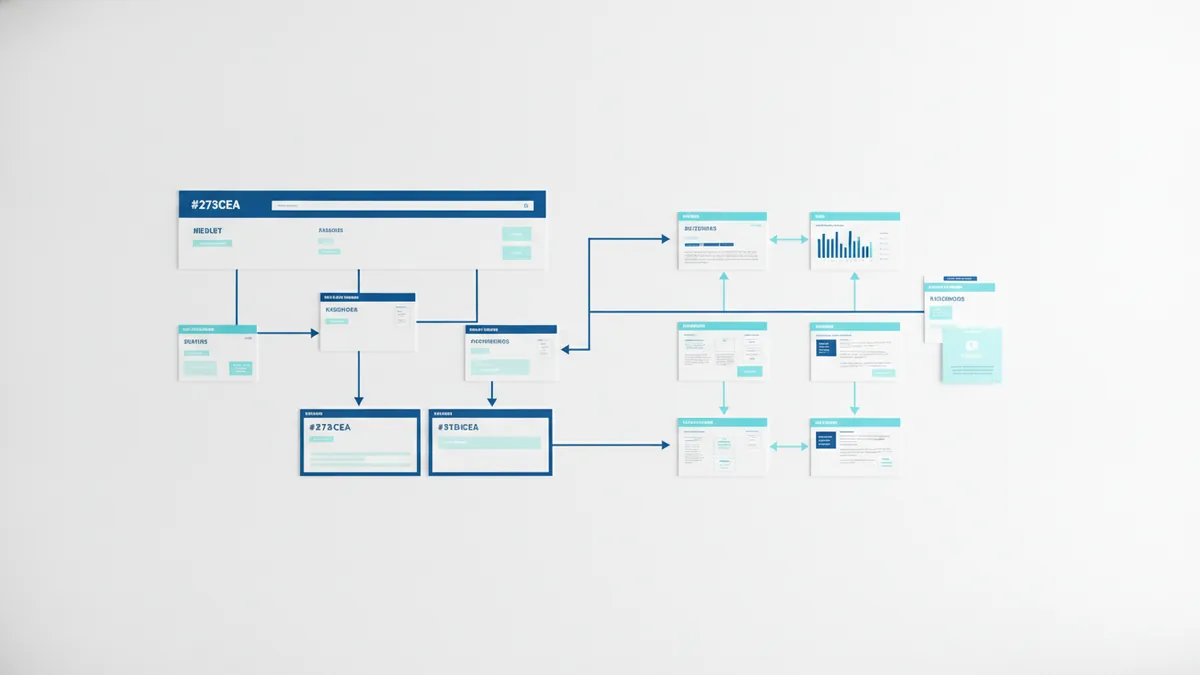
SEO works best when visitors can use your site with little effort. Good site architecture groups related pages in a clear order.
Use simple menus and short paths to important content. A visitor should reach a key service page within a few clicks.
Content also needs a clean layout. Use short paragraphs, descriptive headings, and lists where they improve scanning.
Fast pages matter too. Test mobile screens, remove needless scripts, and compress large files.
- Make important pages easy to reach
- Use descriptive links and headings
- Keep forms short and clear
- Fix broken links and confusing redirects
- Test the site on phones and tablets
These changes can improve rankings and sales at the same time. Visitors stay longer when the site feels clear and quick.
The Importance of Backlinks in SEO
A backlink is a link from another website to your page. Search engines can treat useful links from trusted sites as signs of credibility.
The importance of backlinks in SEO comes from trust and discovery. A strong link may help search systems find your page and understand its value.
Quality matters more than a large link count. A link from a respected trade group may help more than many links from weak directories.
Build links by publishing assets that others want to cite. Original research, clear guides, useful tools, and expert interviews can earn attention.
| Link source | Useful approach |
|---|---|
| Industry publication | Offer expert data or a clear viewpoint |
| Partner site | Share a relevant guide or case study |
| Local group | Support a real event or useful resource |
| Resource page | Suggest a page that truly helps readers |
Avoid buying large batches of poor links. They can harm trust and waste your budget.

Build a Long-Term SEO Strategy
SEO is a long-term plan, not a one-time page edit. Most sites need six to twelve months before clear gains appear.
The time varies by competition, site history, content quality, and link strength. New sites often need more time to earn trust.
Set goals that match your business. Track organic visits, qualified leads, sales, rankings, and page engagement.
Review results each month. Keep pages that perform well, improve weak pages, and remove content that no longer helps.
- Choose business goals and target customer groups
- Review current pages, links, and technical issues
- Build a keyword map around real customer needs
- Publish helpful pages on a steady schedule
- Improve internal links and earn relevant backlinks
- Measure leads and sales, not rankings alone
Give each task an owner and a due date. This keeps SEO work tied to business results.
SEO, Branding, and Lasting Business Growth
SEO helps brands earn attention before a buyer knows which company to choose. Helpful content can answer questions and shape first impressions.
Brand signals grow when people see the same useful business across many searches. Clear writing and a consistent point of view make that exposure stronger.
What is the importance of branding in marketing? Branding helps people recall and trust a business. SEO gives that brand more chances to enter the customer's view.
The best results come from useful pages, sound site structure, strong links, and patient testing. SEO takes time, but it can create a durable source of visibility.